On Worldbuilding: Remnant Culture: La Strega del Bosco e il Cavaliere Ritornato (The Witch of the Forest and the Knight Who Came Home)
Sliverhero
Experienced.
- Joined
- Jun 11, 2025
- Messages
- 2,842
- Likes received
- 16,393
La Strega del Bosco e il Cavaliere Ritornato
(The Witch of the Forest and the Knight Who Came Home)
A legendary tragic play in three acts, attributed to the pre-Kingdom playwright known only as "The Pale Scribe." First performed centuries before the Huntsman Academies, the work blends myth, theology, and forbidden history.
Act I: The Knight Who Crossed Death
The curtain rises upon a primeval forest, ancient and untouched, its towering black trees surrounding a solitary spire of stone. Here dwells Salema, the Witch of the Wood, feared, immortal, and abandoned by gods and men alike. Her opening aria mourns eternity without meaning, life without end, and love stolen by fate.
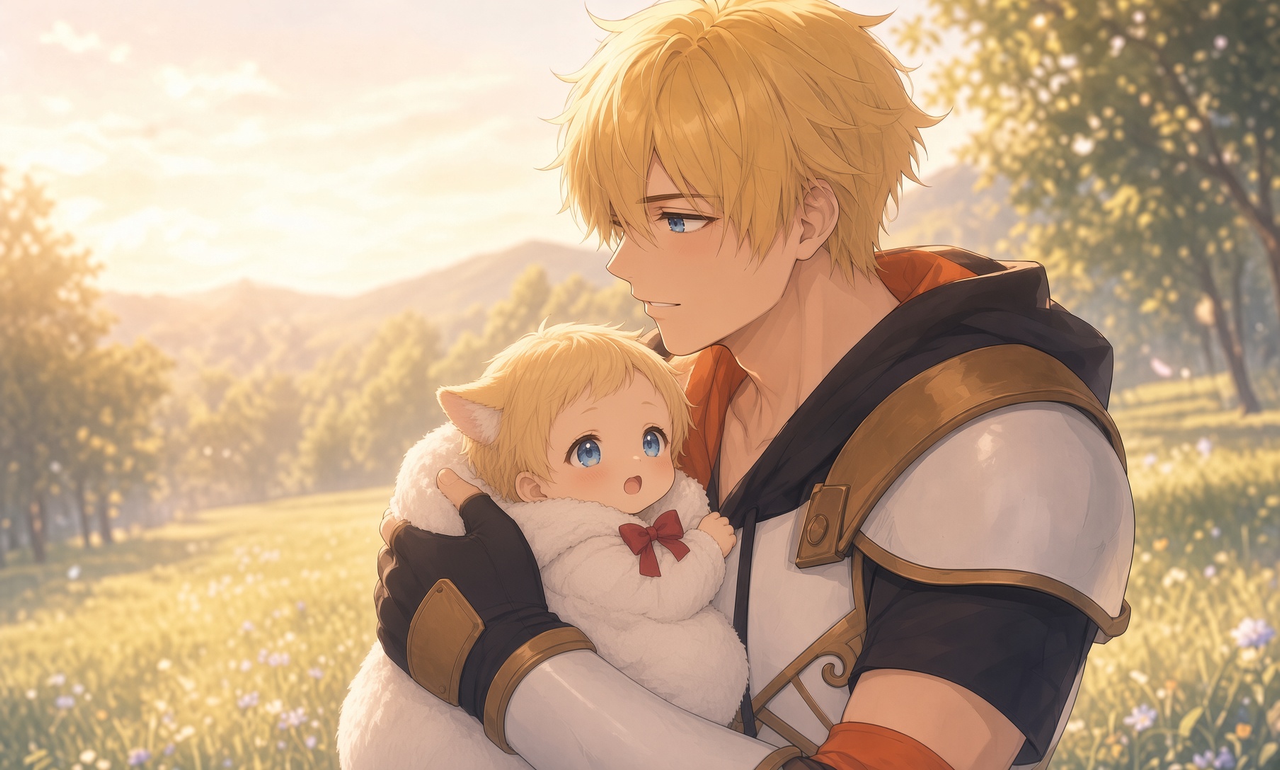
From beyond the forest comes a miracle: Ozpinus, the Golden Knight. once slain in service to mankind, returns from death itself. Sent back by higher powers to guide the world toward harmony, he bears divine light upon his armor and sorrow within his soul.
Their reunion is tender and restrained, laden with disbelief. Salema, hardened by centuries of isolation, dares to hope again. Ozpinus confesses that he defied the gods' command not to return to her, choosing love over obedience. Against the will of heaven, they reunite.
The act concludes with their vow: to abandon the world's cruelty, to build a life hidden from gods and kings alike. The forest blooms unnaturally as the witch's curse momentarily lifts, and the chorus warns that love born in defiance invites divine consequence.
Act II: The Children of Light and Shadow
Time passes. The forest clearing becomes a humble home filled with warmth and laughter. Salema and Ozpinus now have four daughters, radiant and unnatural children born of magic and resurrection. Each exhibits powers unseen among mortals, bending reality with instinctive ease. Salema embraces this truth, teaching her children to wield their gifts freely and without shame. She envisions a future where her family will never kneel to gods who abandoned them.
Ozpinus, however, grows increasingly troubled. In solemn soliloquies, he reflects on his divine charge: to shepherd humanity, not to elevate his own blood above it. He fears that the world will not tolerate such power and that the gods will not forgive such defiance.
Tension fractures the household. Ozpinus secretly resolves to limit the children's power and to hide them from the world, while Salema rejects restraint outright. Their arguments crescendo into tragedy when divine judgment looms unseen, Grimm shadows encroaching at the forest's edge. The act ends in dread: husband and wife divided, love poisoned by destiny, and the chorus lamenting that even paradise cannot survive when built upon disobedience.
Act III: Ashes Beneath the Trees
The final act opens amid chaos. The forest writhes, Grimm circle, and fear grips the children. A confrontation erupts between Salema and Ozpinus, not of hatred, but of irreconcilable belief. He pleads for caution, repentance, and obedience to the gods' will. She demands defiance, survival, and vengeance against the heavens.
In the confusion and terror, catastrophe strikes. The children perish, their deaths never shown directly, only implied through shattered light, falling petals, and the parents' screams. Whether by Grimm, divine punishment, or the consequences of their parents' choices remains deliberately ambiguous.
Ozpinus collapses in horror, recognizing that his attempt to serve both gods and family has destroyed them all. Salema, broken beyond grief, rises transformed, her sorrow crystallizing into wrath. She denounces the gods, mankind, and Ozpinus himself for bringing fate's cruelty to her door.
Ozpinus begs forgiveness, offering to remain, to atone, to rebuild. Salema rejects him utterly. Declaring eternal war upon the gods and the world they govern, she casts him out of the forest forever.
The final image is stark:
Ozpinus departs, condemned to endless reincarnation and lonely duty. Salema remains, immortal once more, now a Queen of Grimm and vengeance.
The chorus closes the play:
"Thus was love reborn and slain,
Thus were gods defied and proven cruel,
And thus the world inherited a war
Older than history itself."
Epilogue
In later centuries, the play is often censored, rewritten, or dismissed as allegory. The mention of magic is always theorised to be a primitive form of explaining and understanding what aura and semblance are in those times. The reborn and immortal aspects of the two main character must have been put in place to give the play unnecessary drama that it doesnt need. Headmasters refuse to comment on the play origins. Yet the final line is always preserved:
"Beware the knight who comes home, for he never returns alone."
Finis.
(The Witch of the Forest and the Knight Who Came Home)
A legendary tragic play in three acts, attributed to the pre-Kingdom playwright known only as "The Pale Scribe." First performed centuries before the Huntsman Academies, the work blends myth, theology, and forbidden history.
Act I: The Knight Who Crossed Death
The curtain rises upon a primeval forest, ancient and untouched, its towering black trees surrounding a solitary spire of stone. Here dwells Salema, the Witch of the Wood, feared, immortal, and abandoned by gods and men alike. Her opening aria mourns eternity without meaning, life without end, and love stolen by fate.
From beyond the forest comes a miracle: Ozpinus, the Golden Knight. once slain in service to mankind, returns from death itself. Sent back by higher powers to guide the world toward harmony, he bears divine light upon his armor and sorrow within his soul.
Their reunion is tender and restrained, laden with disbelief. Salema, hardened by centuries of isolation, dares to hope again. Ozpinus confesses that he defied the gods' command not to return to her, choosing love over obedience. Against the will of heaven, they reunite.
The act concludes with their vow: to abandon the world's cruelty, to build a life hidden from gods and kings alike. The forest blooms unnaturally as the witch's curse momentarily lifts, and the chorus warns that love born in defiance invites divine consequence.
Act II: The Children of Light and Shadow
Time passes. The forest clearing becomes a humble home filled with warmth and laughter. Salema and Ozpinus now have four daughters, radiant and unnatural children born of magic and resurrection. Each exhibits powers unseen among mortals, bending reality with instinctive ease. Salema embraces this truth, teaching her children to wield their gifts freely and without shame. She envisions a future where her family will never kneel to gods who abandoned them.
Ozpinus, however, grows increasingly troubled. In solemn soliloquies, he reflects on his divine charge: to shepherd humanity, not to elevate his own blood above it. He fears that the world will not tolerate such power and that the gods will not forgive such defiance.
Tension fractures the household. Ozpinus secretly resolves to limit the children's power and to hide them from the world, while Salema rejects restraint outright. Their arguments crescendo into tragedy when divine judgment looms unseen, Grimm shadows encroaching at the forest's edge. The act ends in dread: husband and wife divided, love poisoned by destiny, and the chorus lamenting that even paradise cannot survive when built upon disobedience.
Act III: Ashes Beneath the Trees
The final act opens amid chaos. The forest writhes, Grimm circle, and fear grips the children. A confrontation erupts between Salema and Ozpinus, not of hatred, but of irreconcilable belief. He pleads for caution, repentance, and obedience to the gods' will. She demands defiance, survival, and vengeance against the heavens.
In the confusion and terror, catastrophe strikes. The children perish, their deaths never shown directly, only implied through shattered light, falling petals, and the parents' screams. Whether by Grimm, divine punishment, or the consequences of their parents' choices remains deliberately ambiguous.
Ozpinus collapses in horror, recognizing that his attempt to serve both gods and family has destroyed them all. Salema, broken beyond grief, rises transformed, her sorrow crystallizing into wrath. She denounces the gods, mankind, and Ozpinus himself for bringing fate's cruelty to her door.
Ozpinus begs forgiveness, offering to remain, to atone, to rebuild. Salema rejects him utterly. Declaring eternal war upon the gods and the world they govern, she casts him out of the forest forever.
The final image is stark:
Ozpinus departs, condemned to endless reincarnation and lonely duty. Salema remains, immortal once more, now a Queen of Grimm and vengeance.
The chorus closes the play:
"Thus was love reborn and slain,
Thus were gods defied and proven cruel,
And thus the world inherited a war
Older than history itself."
Epilogue
In later centuries, the play is often censored, rewritten, or dismissed as allegory. The mention of magic is always theorised to be a primitive form of explaining and understanding what aura and semblance are in those times. The reborn and immortal aspects of the two main character must have been put in place to give the play unnecessary drama that it doesnt need. Headmasters refuse to comment on the play origins. Yet the final line is always preserved:
"Beware the knight who comes home, for he never returns alone."
Finis.