Cowboys of Remnant: "Battle of the Bands"

AndrewJTalon
Well worn.
- Joined
- Apr 24, 2015
- Messages
- 5,296
- Likes received
- 171,292
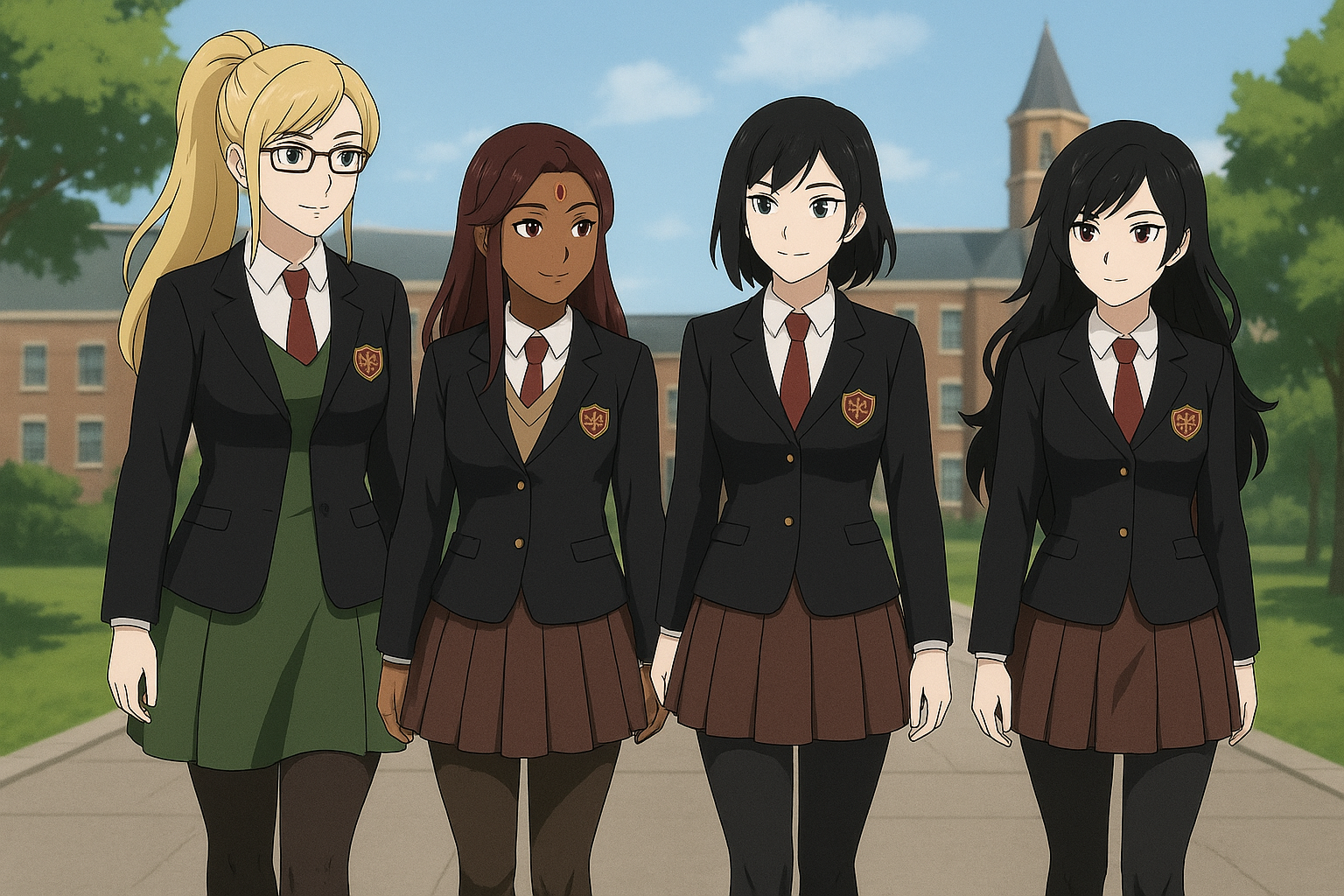
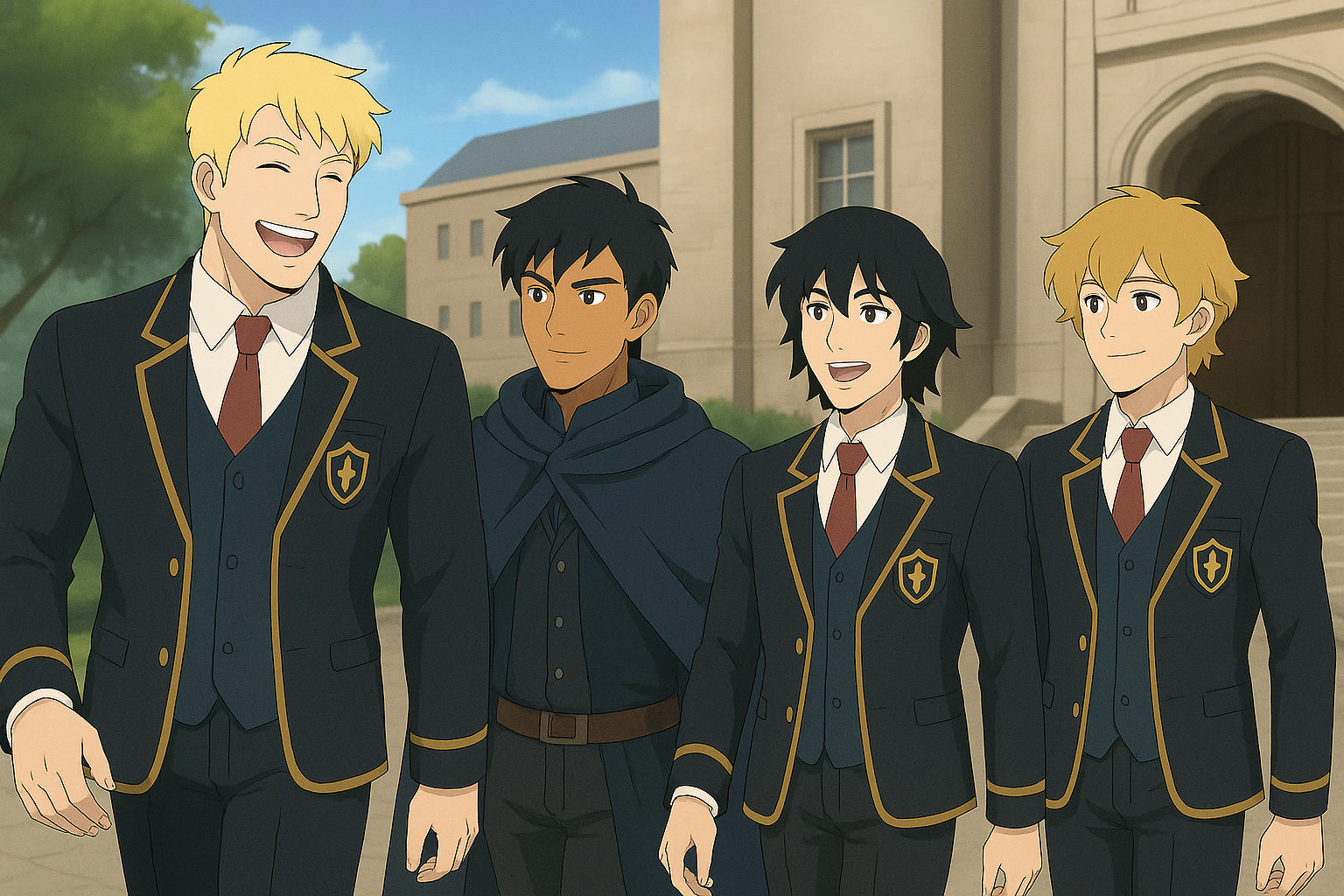
RWBY and JNPR were walking through the courtyard, excitedly talking.
Weiss: "We need to maximize our training for Vytal! I won't settle for anything less than the finals!"
Yang: "Hey! I wanna win this thing too, Weiss-cream, but I think semi-finals is best we're gonna do with Pyrrha and Penny involved. They are crazy strong."
Ruby: "Yeah! I've been running the numbers and geez!"
Jaune: "Well now, don't count yourselves out just yet, ladies. After all, Pyrrha might not be up to it."
Pyrrha: gasp "Jaune!"
Jaune: grins and winks "Why, she might catch cold day of and only make it to the semis."
Pyrrha: pouts as the other girls giggle "That's not very funny, Jaune!" She's blushing brightly
Yang: "Still, least Stud can tease. You wanna try that with me, Cowboy~?"
Weiss: "YANG!"
Jaune: "Now that's a game I don't plan on getting in. Nobody wins."
Yang: "Or we both could~."
Weiss: "YANG!" She groans as there is a musical note in the background... And she then trips. "AH!"
She slams facefirst into the pavement. Yang is the first to pull her up.
A lower key variation of one of Weiss's songs is played nearby on a trumpet. Weiss frowns as she turns. A dark young man in Atlasian dress plays, and smirks at her over his trumpet. He lowers it.
Flynt Coal: "Sorry bout that. But it was worth it to see Miss High and Mighty faceplant."
Ruby: "HEY! You can't use weapons on other students outside of Combat Class!"
Flynt: "Who? Me? That was an accident."
Ren: "It was not."
Flynt: "Well, call it a small bit of payback for what her family did to mine. Flynt Coal."
Blake: "... Of Coal Dust Distribution?"
Flynt: "My father. Her father put mine out of business."
Ruby: "SO!? That was her father, not her!"
Flynt: "A Schnee's a Schnee."
Yang: growls "That's no excuse! I'm going to break your smug face-!"
Pyrrha holds Yang back. Yang growls. She looks around for support. She sees Jaune stepping forward, eyes narrowed.
Jaune: tightly "Mister Coal. I believe you owe this lady an apology."
Flynt: scoffing laugh "What? Like hell I do!"
Jaune: "Where I come from, Mister Coal, a man hits a woman he doesn't get to keep his teeth. However, I am trying to adhere to the rules of this institution. So once again, you owe her an apology."
Flynt: "Ah. Heard about you. Arc, wasn't it? I heard you've killed men."
Jaune: "That's right. I have."
Flynt: "You think you're tough, do you?"
Jaune: "Tough enough for you."
Ruby: "H-Hey! Let's chill out! Hang on... How about this? If Jaune beats you in a contest that doesn't involve violence, will you apologize to Weiss?"
Flynt: "Hmph... All right, pipsqueak. But I pick the contest. Music." smirks
Jaune: "Fine. We'll need a neutral judge."
Flynt: "Suits me fine!"
Jaune got his guitar. Flynt prepared his trumpet. Ruby brought in Glynda Goodwitch.
Glynda: "Well... I would be happy to judge this."
Flynt: "Sounds good, Professor."
Jaune: "Yes ma'am."
Glynda: "Begin!"
Flynt plays a sweet jazz piece that even Weiss could admit was very nice. It attracts a crowd that enjoy it. Flynt finishes with a flourish, and gets some applause. He smirked at Jaune.
Flynt: "Go ahead, redneck."
Glynda: "Mister Coal! Kindly keep yourself in check."
Flynt: "Yes ma'am."
Jaune then plays a song, and begins to sing.
Jaune:
I am a man of constant sorrow
I've seen trouble all my days
I bid farewell to ol' Hentucky
The place where I was born and raised~!"
He pours a great deal of passion and even pathos. And soon attracts a crowd that begins to clap and dance along. Jaune finishes with his own flourish, and is greeted by cheers.
Glynda: "Well... If it comes to technique, then Mister Coal has won. When it comes to passion, I believe it would be down to Mister Arc. I believe you two should resolve this yourselves."
Flynt: "..." sighs "Not bad, cowboy." He smiles in respect to Jaune
Jaune: Modest as ever. "Me? Nah. Just an amateur. You have a lot of talent."
Flynt: "..." Looks over at Weiss "Look, I'm sorry. That wasn't cool."
Weiss: glares "..." Ruby elbows her "... Thank you."
Flynt: "I thought he was singing just to simp for you... But the music carries the true heart of the musician. So... Thank you. Maybe we could jam together. You as well, Schnee-"
Jaune: clears his throat. Nora and Yang both punch their palms.
Flynt: "... Miss Schnee."
Weiss: "... It would be nice. It's been a while since I got to make any music."
Flynt: "I will admit, I have never listened to any of your songs... Out of spite. Maybe I should change that."
Weiss: "I... I would appreciate that. Though I will admit, the words were... Not mine. Or not as much mine as I would wish."
Flynt: "Well hell, we could come up with something, right Cowboy?"
Jaune: "I wouldn't mind it, Mister Coal."
Flynt: "Heh! Call me Flynt!"
Jaune: smiles "Thank you, Flynt. Call me Jaune. Please ladies, friends? If you'll excuse me?"
Jaune and Flynt headed off with Weiss. Yang, Pyrrha, and Ruby scowled after them.
Pyrrha: "I've sung with him... Why didn't they invite me...?"
Yang: "I can sing too ya know!"
Ruby: "I can make noise!"
Nora: "Come on guys! What's suggestive about Jaune-Jaune, Weissy, and Flynty going off to make beautiful music together?"
Ren sighs. Blake is already writing a new fanfic.
Weiss: "We need to maximize our training for Vytal! I won't settle for anything less than the finals!"
Yang: "Hey! I wanna win this thing too, Weiss-cream, but I think semi-finals is best we're gonna do with Pyrrha and Penny involved. They are crazy strong."
Ruby: "Yeah! I've been running the numbers and geez!"
Jaune: "Well now, don't count yourselves out just yet, ladies. After all, Pyrrha might not be up to it."
Pyrrha: gasp "Jaune!"
Jaune: grins and winks "Why, she might catch cold day of and only make it to the semis."
Pyrrha: pouts as the other girls giggle "That's not very funny, Jaune!" She's blushing brightly
Yang: "Still, least Stud can tease. You wanna try that with me, Cowboy~?"
Weiss: "YANG!"
Jaune: "Now that's a game I don't plan on getting in. Nobody wins."
Yang: "Or we both could~."
Weiss: "YANG!" She groans as there is a musical note in the background... And she then trips. "AH!"
She slams facefirst into the pavement. Yang is the first to pull her up.
A lower key variation of one of Weiss's songs is played nearby on a trumpet. Weiss frowns as she turns. A dark young man in Atlasian dress plays, and smirks at her over his trumpet. He lowers it.
Flynt Coal: "Sorry bout that. But it was worth it to see Miss High and Mighty faceplant."
Ruby: "HEY! You can't use weapons on other students outside of Combat Class!"
Flynt: "Who? Me? That was an accident."
Ren: "It was not."
Flynt: "Well, call it a small bit of payback for what her family did to mine. Flynt Coal."
Blake: "... Of Coal Dust Distribution?"
Flynt: "My father. Her father put mine out of business."
Ruby: "SO!? That was her father, not her!"
Flynt: "A Schnee's a Schnee."
Yang: growls "That's no excuse! I'm going to break your smug face-!"
Pyrrha holds Yang back. Yang growls. She looks around for support. She sees Jaune stepping forward, eyes narrowed.
Jaune: tightly "Mister Coal. I believe you owe this lady an apology."
Flynt: scoffing laugh "What? Like hell I do!"
Jaune: "Where I come from, Mister Coal, a man hits a woman he doesn't get to keep his teeth. However, I am trying to adhere to the rules of this institution. So once again, you owe her an apology."
Flynt: "Ah. Heard about you. Arc, wasn't it? I heard you've killed men."
Jaune: "That's right. I have."
Flynt: "You think you're tough, do you?"
Jaune: "Tough enough for you."
Ruby: "H-Hey! Let's chill out! Hang on... How about this? If Jaune beats you in a contest that doesn't involve violence, will you apologize to Weiss?"
Flynt: "Hmph... All right, pipsqueak. But I pick the contest. Music." smirks
Jaune: "Fine. We'll need a neutral judge."
Flynt: "Suits me fine!"
Jaune got his guitar. Flynt prepared his trumpet. Ruby brought in Glynda Goodwitch.
Glynda: "Well... I would be happy to judge this."
Flynt: "Sounds good, Professor."
Jaune: "Yes ma'am."
Glynda: "Begin!"
Flynt plays a sweet jazz piece that even Weiss could admit was very nice. It attracts a crowd that enjoy it. Flynt finishes with a flourish, and gets some applause. He smirked at Jaune.
Flynt: "Go ahead, redneck."
Glynda: "Mister Coal! Kindly keep yourself in check."
Flynt: "Yes ma'am."
Jaune then plays a song, and begins to sing.
Jaune:
I am a man of constant sorrow
I've seen trouble all my days
I bid farewell to ol' Hentucky
The place where I was born and raised~!"
He pours a great deal of passion and even pathos. And soon attracts a crowd that begins to clap and dance along. Jaune finishes with his own flourish, and is greeted by cheers.
Glynda: "Well... If it comes to technique, then Mister Coal has won. When it comes to passion, I believe it would be down to Mister Arc. I believe you two should resolve this yourselves."
Flynt: "..." sighs "Not bad, cowboy." He smiles in respect to Jaune
Jaune: Modest as ever. "Me? Nah. Just an amateur. You have a lot of talent."
Flynt: "..." Looks over at Weiss "Look, I'm sorry. That wasn't cool."
Weiss: glares "..." Ruby elbows her "... Thank you."
Flynt: "I thought he was singing just to simp for you... But the music carries the true heart of the musician. So... Thank you. Maybe we could jam together. You as well, Schnee-"
Jaune: clears his throat. Nora and Yang both punch their palms.
Flynt: "... Miss Schnee."
Weiss: "... It would be nice. It's been a while since I got to make any music."
Flynt: "I will admit, I have never listened to any of your songs... Out of spite. Maybe I should change that."
Weiss: "I... I would appreciate that. Though I will admit, the words were... Not mine. Or not as much mine as I would wish."
Flynt: "Well hell, we could come up with something, right Cowboy?"
Jaune: "I wouldn't mind it, Mister Coal."
Flynt: "Heh! Call me Flynt!"
Jaune: smiles "Thank you, Flynt. Call me Jaune. Please ladies, friends? If you'll excuse me?"
Jaune and Flynt headed off with Weiss. Yang, Pyrrha, and Ruby scowled after them.
Pyrrha: "I've sung with him... Why didn't they invite me...?"
Yang: "I can sing too ya know!"
Ruby: "I can make noise!"
Nora: "Come on guys! What's suggestive about Jaune-Jaune, Weissy, and Flynty going off to make beautiful music together?"
Ren sighs. Blake is already writing a new fanfic.